If you have shopped for art prints online, you may have come across the term “giclée.” It is often used alongside phrases like “fine art print” and “museum-quality,” but what does it actually mean?
A giclée print is a high-quality inkjet print created for fine art. Giclée printing is commonly used to reproduce original paintings, drawings, photographs, and other artwork because it can capture subtle variations in color, texture, and detail.
For artists, it provides a way to offer reproductions that remain true to the original work. For collectors, it offers an affordable way to own and enjoy an artist’s work without purchasing the original.
What Does Giclée Mean?
A giclée print is a high-quality reproduction of an original work of art. It is created using professional inkjet printing, archival-quality inks, and fine art paper or canvas.
Simply calling a print giclée does not guarantee its quality. The materials used, print quality, and accuracy of the reproduction are what really matter.
Are Giclée Prints the Same as Original Art?
No. A giclée print made from a painting is a reproduction of the original artwork.
The original painting is the physical piece created by the artist. There is only one.
A giclée print begins with a high-resolution digital reproduction of that artwork. The image is then printed onto fine art paper or another archival surface.
A well-produced giclée can closely reproduce the colors and details of the original, but it should always be identified as a print rather than an original work of art.


What Makes a Giclée Print Different From a Regular Art Print?
The biggest differences are usually found in the ink, paper, color, printing equipment, and quality of the original digital image.
Professional giclée printing typically uses pigment-based inks rather than the dye-based inks commonly found in standard consumer printing. Pigment inks offer better color stability and resistance to fading.
The paper matters just as much. Fine art giclée prints are generally produced on archival, acid-free papers designed for long-term display. These papers also provide a surface that can reproduce the texture and detail of the original artwork.
Professional printers use multiple ink colors and precise color management to reproduce a much wider range of tones than a basic home or commercial printer can produce. This is especially important when reproducing paintings with subtle color changes.


What Does “Museum-Quality” Mean?
“Museum-quality” can mean different things depending on how a print is produced. When used to describe a fine art print, it generally refers to the quality and longevity of the materials used to produce it.
A museum-quality giclée print should use archival materials, including pigment-based inks and high-quality, acid-free paper. Careful color management and a high-resolution source image are also important.
These choices help the print maintain its color and appearance over time when it is properly displayed and cared for.
How Long Do Giclée Prints Last?
There is no single lifespan for every giclée print. Longevity depends on the inks, paper, printing process, framing, and the conditions in which the artwork is displayed.
Archival pigment inks and acid-free fine art papers are specifically chosen for their resistance to fading and deterioration. Proper framing and keeping artwork away from direct sunlight, excessive moisture, and extreme temperature changes can also help protect a print.
If longevity is important to you, look beyond the word “giclée” and check what materials the artist or printmaker actually uses.
Are Giclée Prints Worth It?
If you want a high-quality reproduction of an artwork without purchasing the original, a giclée print can be an excellent option.
They typically cost more than mass-produced posters or basic prints because of the materials, equipment, and production process involved. In return, you receive a print designed to reproduce the original artwork accurately and hold up well over time.
A giclée print also makes it possible to collect work from an artist you love when the original has already sold or is outside your budget.
What Should You Look for When Buying a Giclée Print?
Before buying, read the description carefully. A reputable artist or seller should clearly identify the piece as a reproduction and provide information about how it was produced.
Look for details about the paper, printing method, size, and whether the print is signed. You should also be able to tell whether the print is a limited edition or an open edition.
Most importantly, the listing should make it clear whether you are purchasing an original work of art or a reproduction/print.
Why I Offer Giclée Prints of My Original Paintings
I began offering museum-quality giclée prints because I wanted reproductions of my paintings to retain as much of the character of the originals as possible.
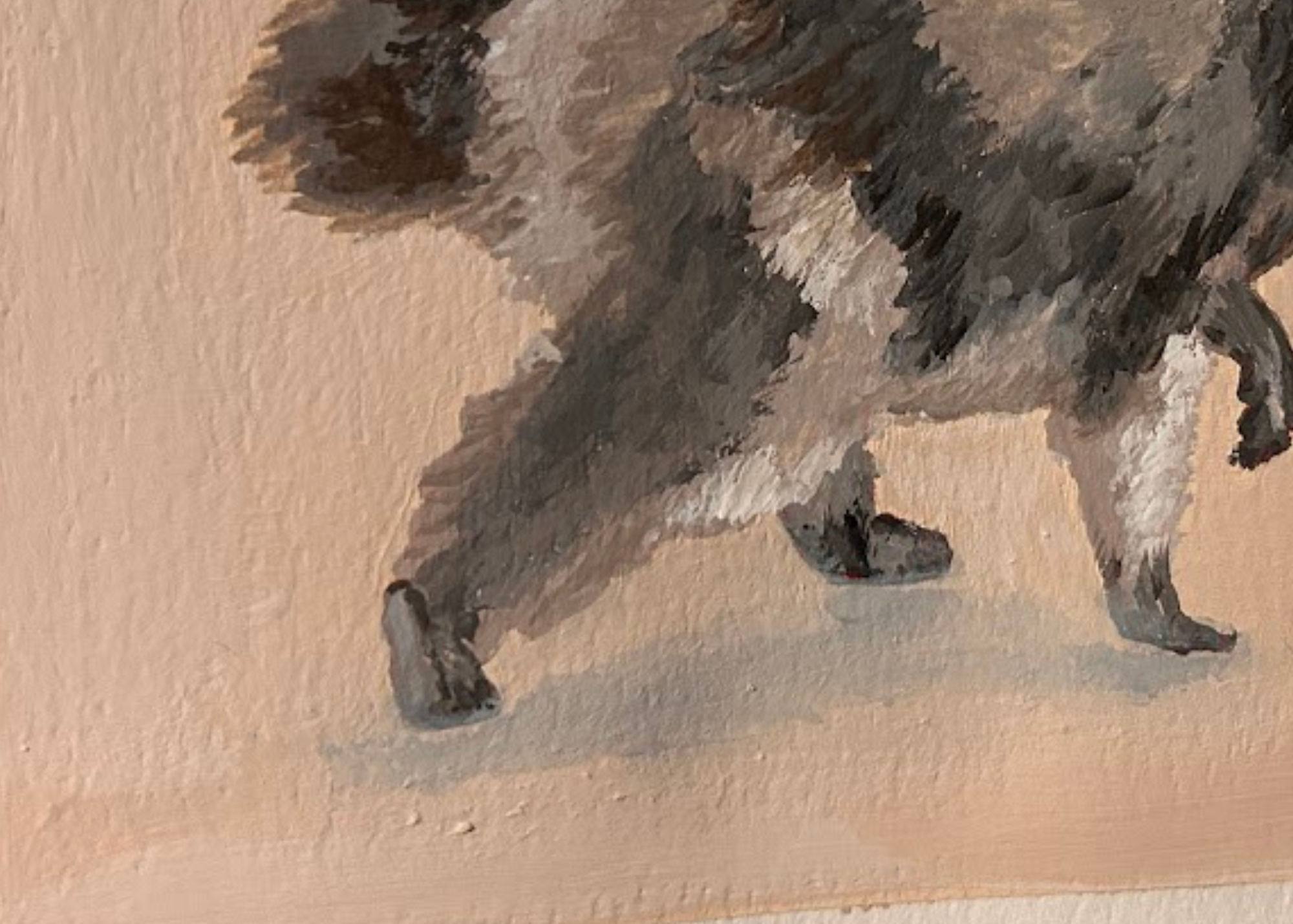
My original artwork is painted by hand, primarily in gouache or watercolor. The visible brushwork, paper texture, small color variations, and subtle details are part of each piece. When I reproduce an original, I want those qualities to carry through to the print.
My giclée prints are professionally produced from my original artwork on fine art paper. My artist mark from the original painting is reproduced on the front, and I personally hand-sign each print on the back. Most of them are open-edition prints, which means they are not limited to a predetermined number of copies.
The original painting will always be the only original. A giclée simply provides another way to collect and enjoy the artwork.
If you are considering an art print, understanding how it was made can help you know exactly what you are buying. Terms like “giclée” and “museum-quality” are useful, but the quality of the materials and the transparency of the artist or seller tell you much more.


