
“Tell your own story, and you will be interesting.”
Louise Bourgeois
I’ve always heard from others that everything is fodder, but to write what you know. While I agree writing what you know can help the process flow more naturally, I’ve also discovered that writing about what you don’t know, but are passionate about, is helpful to advance you towards a more solid understanding of a topic.
Brainstorming sparks passion, passion sparks action, action sparks experience, experience sparks knowledege, knowledge sparks wisdom.
I say all that to forewarn — I am not an expert on discovering artistic style. In fact, I’m far from discovering my own style. But I am in the process of trial and error and I figured writing about that process will hopefully traject me towards a deeper understanding of myself, and my art.
In the same way writing about a topic helps to invoke wisdom, I believe the best way to discover your style is to put pen to paper, brush to canvas, hand to mousepad.
It’s in the process of creating that we discover what works for us. It’s also in the grueling, repetitive refinement.
Style is something that helps an artist stand out. It’s how you can spot a Van Gogh out of 1,000 other paintings. Sometimes it’s hard to put your finger on, but there’s something about the way each piece in a body of work relates to each other. That link is the artist’s style.
Some artists have a narrow style, meaning every work of art they create is based on a set of criteria such as subject, medium, or tonal range. For instance, Pablo Picasso’s use of cubism and collage, Jackson Pollock’s drip technique, Salvador Dalí’s bizarre subjects, or Mark Rothko’s abstract expressionism, all are synonymous with the individual artist and their style.
Other artists have a broader (or multiple) styles that might be based on a body of work or specific study.
I’m currently focused on streets and highways in Georgia. Here’s a couple of examples of recent paintings I devoted to that subject.
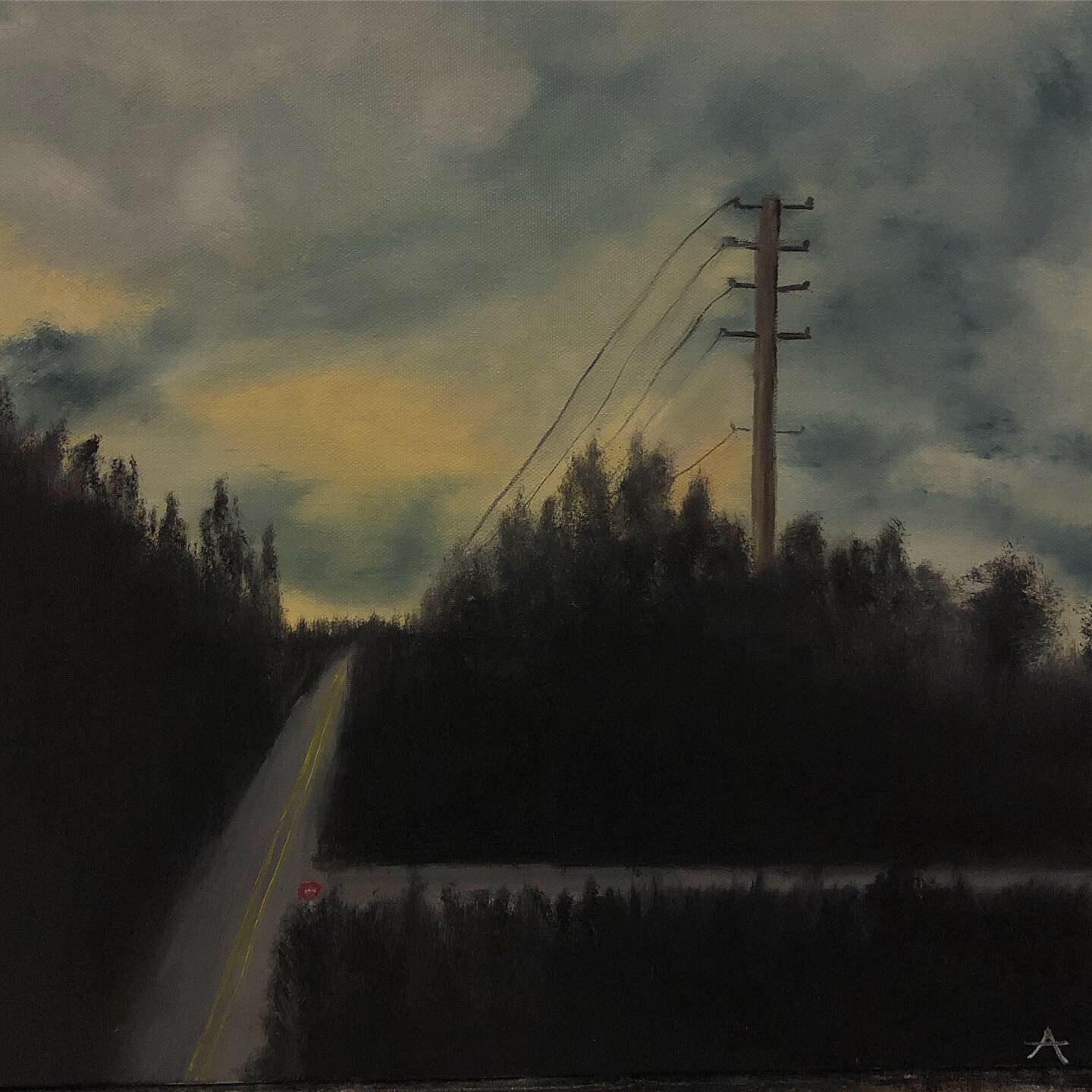
Oil on Canvas
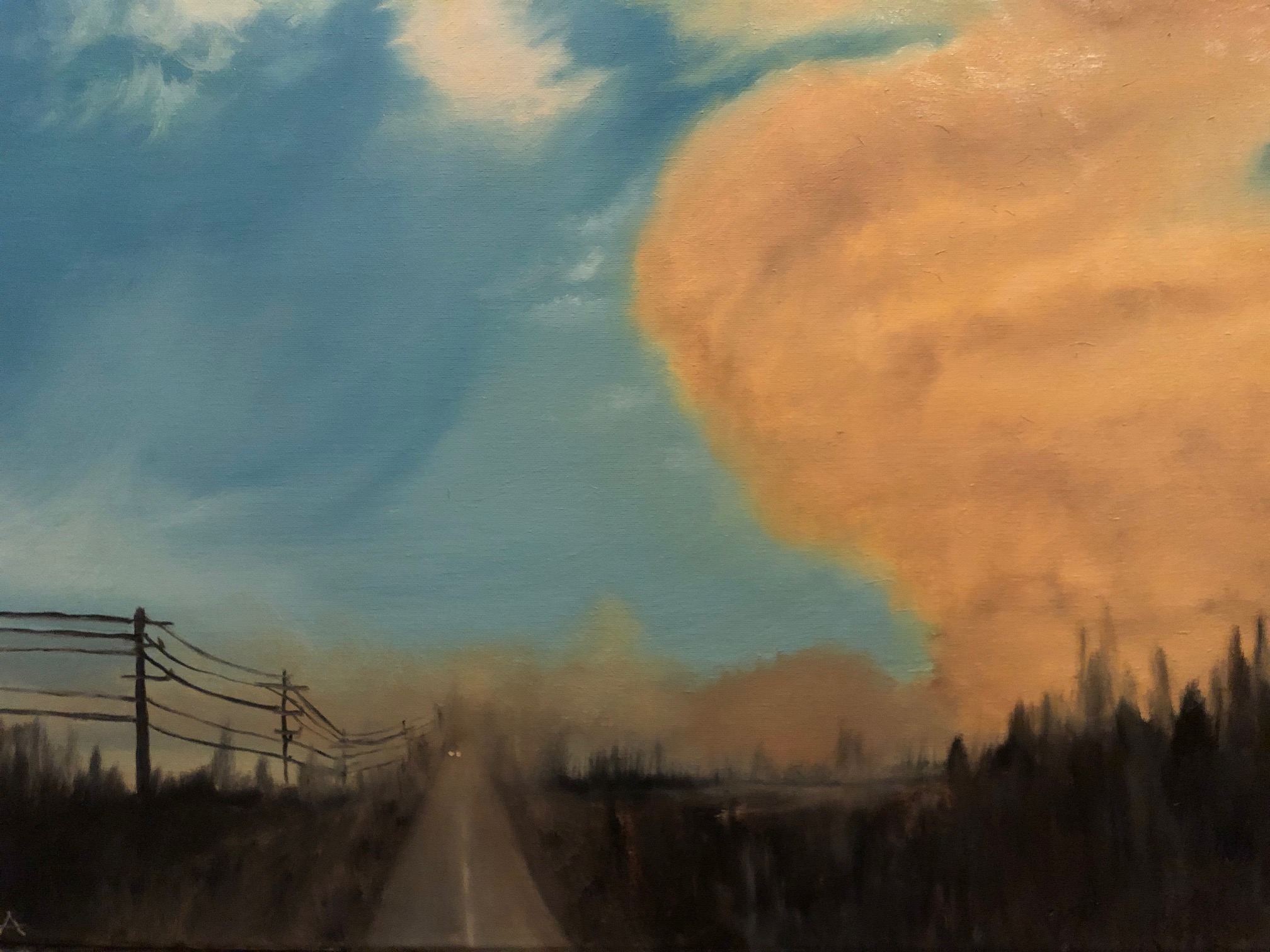
Oil on Canvas
While I doubt I will always paint streets, cars and highways and devote myself solely to this subject, it is one that has recently inspired me and helped me to hone some of my style and techniques.
I don’t know that trying to find your artistic style is something artists should focus on too much. In fact, it seems like it could become a deterrent of self expression.
If you feel boxed in to one particular style, it could eventually crush your spirit or creativity. You may find yourself saying “Well, I’m inspired by that cityscape, but I can’t try to paint it because it’s not the ocean.” or “I’ve always wanted to paint a portrait, but I’m better at landscapes.”
I don’t think that’s how art works, atleast, I don’t believe it’s how art should work.
Art is about trial and error. Practice and more practice. Letting go of what you think your artwork should look like and allowing it to be what it is.
There’s freedom in self expression and self expression may come from curiosity. Without the freedom to try something new or branch out from what you know actually works — you may never find your true style — which is already within you, just waiting to come out.
I think Louise Bourgeois said it best “Tell your own story, and you will be interesting.”
No one else on earth can tell your story like you can.
“Be yourself; everyone else is already taken.”
Oscar Wilde
 Allie Jackson Art