Can I submit the same painting to multiple exhibitions simultaneously?

I only recently started submitting my work to art or gallery exhibitions and I ran into a situation I was unsure of, so I thought I would chime in for people who may also be new to showing their artwork.

There were two exhibitions I felt one particular painting might do well in. I was holding off on entering it into the second exhibition until hearing from the first one about whether it was chosen.

Everything I had read online in the art community and on blogs suggested entering the same painting to two shows that run simultaniously is a big no-no!

So when the deadline to enter the second show hit and I still hadn’t heard from the first exhibition, I decided not to enter it into the second show.

Unfortunately, the day after submitting a different piece of art into the second show, I received an email from the first exhibition saying my art was not selected, which means it would have been available to show at the second gallery.

I was a little bummed since I felt my chances of it being chosen by the second exhibition were higher, but on the other hand, I began to question what protocol is for this.

Can you enter the same piece of art into multiple shows simultaniously? What if more than one exhibition accepts it? Then what?

Is it unethical to show a piece of art in more than one show, at different times?

While it seems everyone has a different opinion on these topics, here’s what I’ve determined works best for me.

I only enter a particular piece of art to one show at a time. If the art is chosen by multiple shows that run simultaniously, then I figure I’m potentially burning a bridge with the gallery shows I decide to pull out of.

In fact, pull your chosen art from a show or a gallery multiple times and you may gain a negative reputation of being an unreliable artist.

It’s better to scan the internet for potential shows to enter, and then create a piece specifically for an exhibition.

If it’s not chosen, don’t fret. There’s always other shows you can enter.

I see nothing wrong with showing the same piece in multiple shows, so long as the guidelines of each show allow it and the times don’t overlap. It’s important to read the fine print to make sure you’re adhering to all the rules when you enter a piece of art into a show.

I hope this helps clarify a few things for people who are new to submitting their art to gallery shows.

Do you have a different opinion? Would love to hear your thoughts!! Feel free to comment below.

Finding Your Artistic Style

“Tell your own story, and you will be interesting.”

Louise Bourgeois 

I’ve always heard from others that everything is fodder, but to write what you know. While I agree writing what you know can help the process flow more naturally, I’ve also discovered that writing about what you don’t know, but are passionate about, is helpful to advance you towards a more solid understanding of a topic.

Brainstorming sparks passion, passion sparks action, action sparks experience, experience sparks knowledege, knowledge sparks wisdom.

I say all that to forewarn — I am not an expert on discovering artistic style. In fact, I’m far from discovering my own style. But I am in the process of trial and error and I figured writing about that process will hopefully traject me towards a deeper understanding of myself, and my art.

In the same way writing about a topic helps to invoke wisdom, I believe the best way to discover your style is to put pen to paper, brush to canvas, hand to mousepad.

It’s in the process of creating that we discover what works for us. It’s also in the grueling, repetitive refinement.

Style is something that helps an artist stand out. It’s how you can spot a Van Gogh out of 1,000 other paintings. Sometimes it’s hard to put your finger on, but there’s something about the way each piece in a body of work relates to each other. That link is the artist’s style.

Some artists have a narrow style, meaning every work of art they create is based on a set of criteria such as subject, medium, or tonal range. For instance, Pablo Picasso’s use of cubism and collage, Jackson Pollock’s drip technique, Salvador Dalí’s bizarre subjects, or Mark Rothko’s abstract expressionism, all are synonymous with the individual artist and their style.

Other artists have a broader (or multiple) styles that might be based on a body of work or specific study.

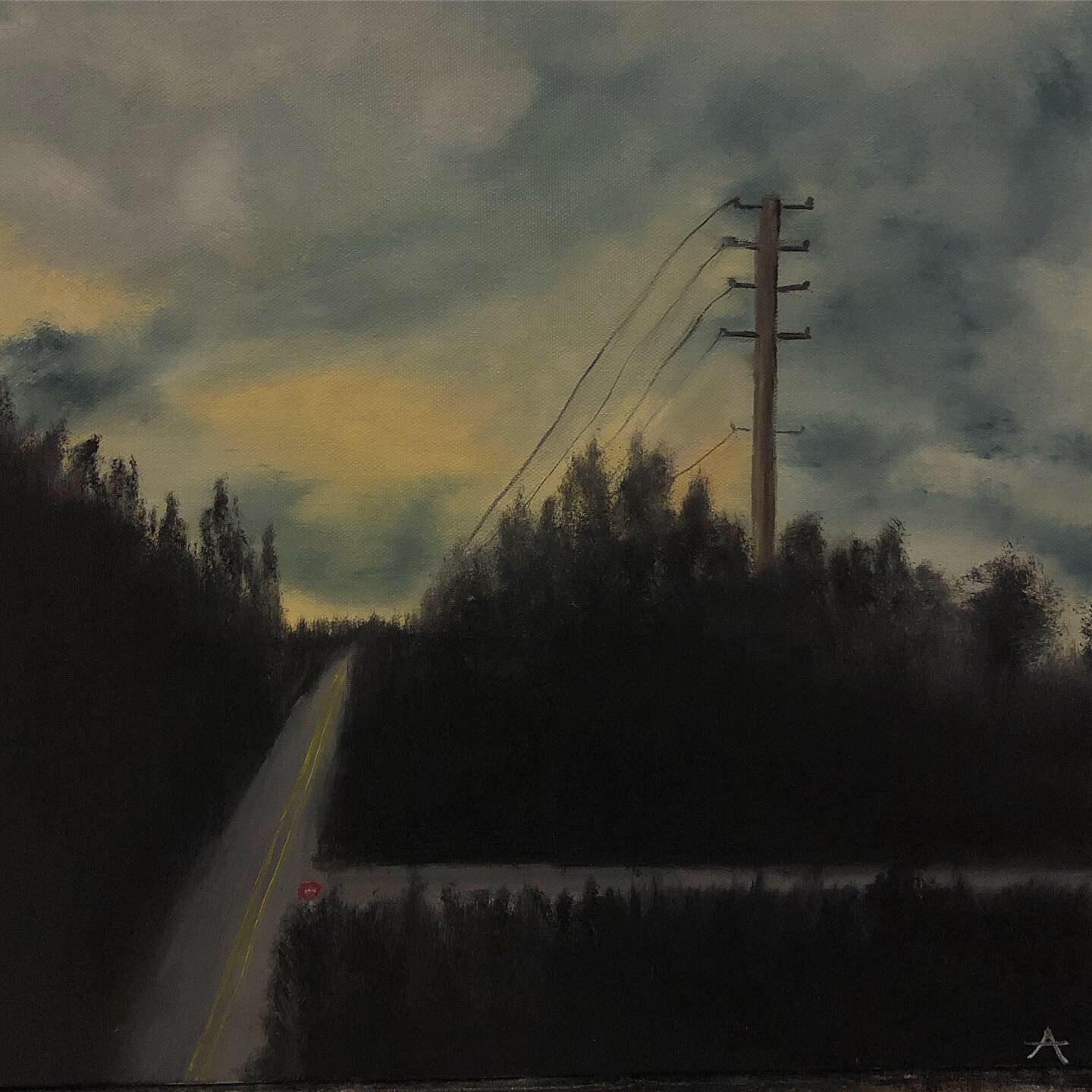
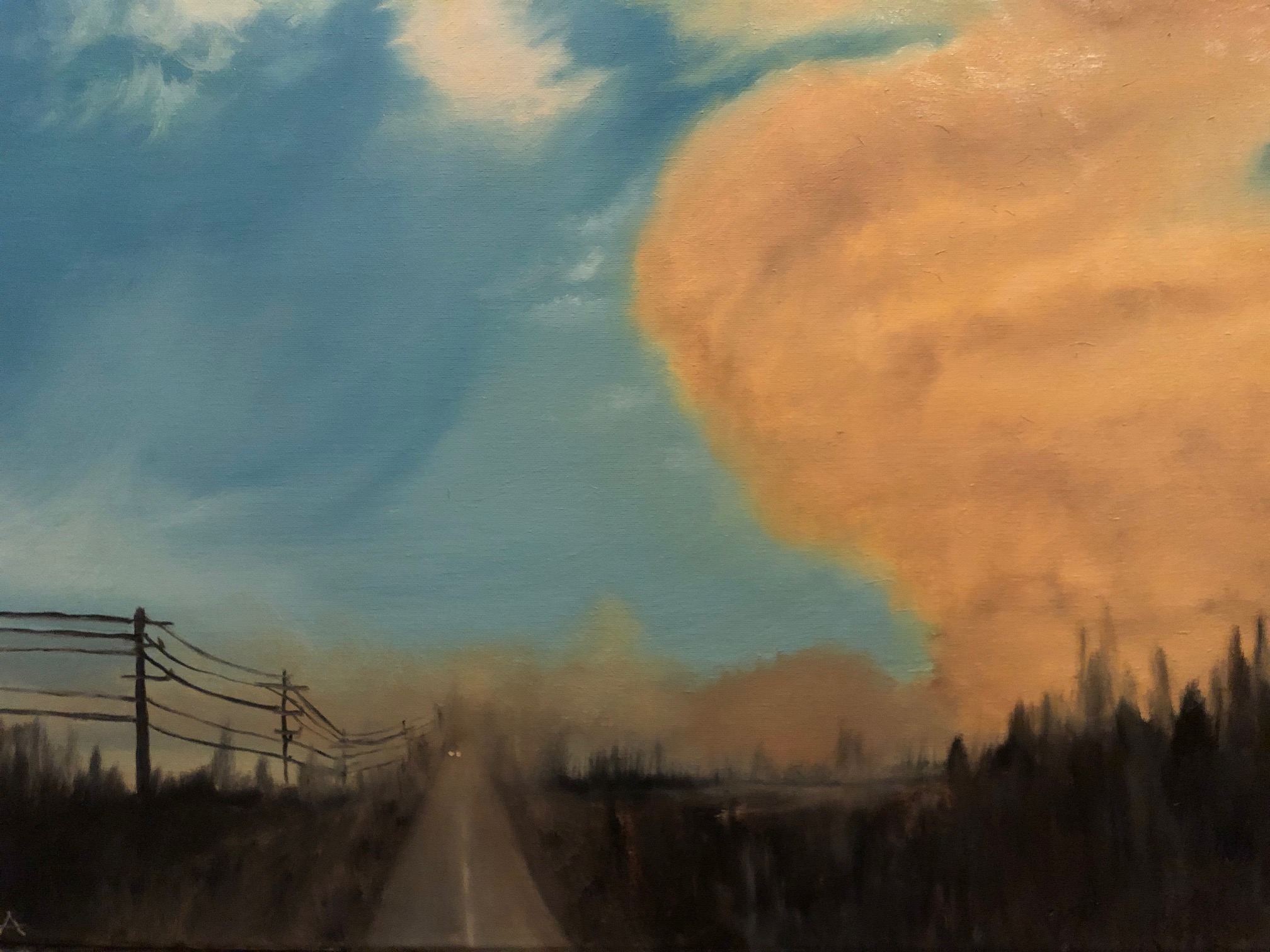
I’m currently focused on streets and highways in Georgia. Here’s a couple of examples of recent paintings I devoted to that subject.

Stay Here
Oil on Canvas
In Between
Oil on Canvas
A photo I took and inspiration for my next painting

While I doubt I will always paint streets, cars and highways and devote myself solely to this subject, it is one that has recently inspired me and helped me to hone some of my style and techniques.

I don’t know that trying to find your artistic style is something artists should focus on too much. In fact, it seems like it could become a deterrent of self expression.

If you feel boxed in to one particular style, it could eventually crush your spirit or creativity. You may find yourself saying “Well, I’m inspired by that cityscape, but I can’t try to paint it because it’s not the ocean.” or “I’ve always wanted to paint a portrait, but I’m better at landscapes.”

I don’t think that’s how art works, atleast, I don’t believe it’s how art should work.

Art is about trial and error. Practice and more practice. Letting go of what you think your artwork should look like and allowing it to be what it is.

There’s freedom in self expression and self expression may come from curiosity. Without the freedom to try something new or branch out from what you know actually works — you may never find your true style — which is already within you, just waiting to come out.

I think Louise Bourgeois  said it best “Tell your own story, and you will be interesting.”

No one else on earth can tell your story like you can.

“Be yourself; everyone else is already taken.” 

Oscar Wilde